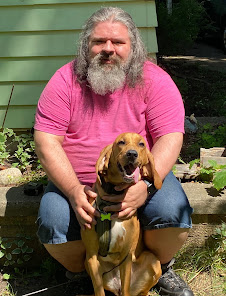
Kent Hufford, KQ4KK, reports that the
International D-STAR HF Testing Net is
continuing in North America with its just
issued winter schedule. Net sponsors say
that they routinely have two way
communications coast to coast, north to
south, and have had two way contacts to
Europe and Japan.
The net is on each band only for 5 minutes
and will spend less time if a given band is
dead. The net also may need to move early or
if the frequency is busy. It’s also wise for
D-STAR operators to monitor reflector REF030C
to coordinate.
Also, please keep an eye on hf.dstar-
relay.net for the latest information. A
video demonstration of how all this comes
together is on YouTube at tinyurl.com/DSTAR-
ON-HF. (KQ4KK, VHF Reflector)
HAM HAPPENINGS: CALL FOR PAPERS AT THE 2014
SOUTH AFRICA RTA SYMPOSIUM
The South African Radio League has put out a
call for papers to be presented at the Radio
Technology in Action symposium or to be
included in the symposium CD. The event is
slated for July of 2014 and if you have a
subject that you would like to present at the
Radio Technology in Action please visit no later than December 15th to http://www.amateurradio.org.za/rta.htm
(SARL)
Sunday, December 1, 2013
Saturday, November 30, 2013
Broadcasters & DOD agree on new Sharing of 1755-1780 MHZ
House Energy and Commerce Committee Chairman
Fred Upton and Communications and Technology
Subcommittee Chairman Greg Walden, W7EQI, say
that they welcome the National
Telecommunications and Information
Administration's endorsement of an important
agreement. This between the Department of
Defense and the National Association of
Broadcasters on the relocation of a parcel of
government spectrum to shared use.
The agreement was reached after bipartisan committee leadership worked with the Department of Defense, the National Telecommunications and Information Administration and the Federal Communications Commission. It paves the way for the Department of Defense to move systems out of the 1755 to 1780 MHz band by creating a sharing arrangement between it and the broadcast community in the shared use of the Broadcast Auxiliary Service. This spectrum is used by news organizations to originate material such as breaking news stories from outside of studio facilities. More is on the web at tinyurl.com/DOD-BROADCAST-SHARING.
source; (House Energy & Commerce Committee release)
The agreement was reached after bipartisan committee leadership worked with the Department of Defense, the National Telecommunications and Information Administration and the Federal Communications Commission. It paves the way for the Department of Defense to move systems out of the 1755 to 1780 MHz band by creating a sharing arrangement between it and the broadcast community in the shared use of the Broadcast Auxiliary Service. This spectrum is used by news organizations to originate material such as breaking news stories from outside of studio facilities. More is on the web at tinyurl.com/DOD-BROADCAST-SHARING.
source; (House Energy & Commerce Committee release)

Friday, November 29, 2013
OKLAHOMA CB Operator Fined $15000 for using Linear AMP
The FCC has issued a $15,000 Notice of
Apparent Liability for Forfeiture to Carlton
Lewis, of Enid, Oklahoma. This for his
alleged operation of a Citizens Band radio
operator with an external power amplifier in
violation of the Commissions Part 95 rules.
Back this past May 14th an agent from the Enforcement Bureau’s Dallas Office T-hunted down a strong signal on 27.1850 MHz which is CB Channel 19. He found it was coming from Lewis’ residence in Enid. The agent observed an antenna mounted on the roof of the home and traced a coaxial cable from the antenna into the residence.
The agent knocked on the door of the residence but no one answered the door for over 30 minutes. A person eventually answered the door and claimed that Mr. Lewis was not at home. However a few minutes later Carlton Lewis appeared and showed the agent his CB transmitter, which was warm to the touch.
The agent observed that no coaxial cables were connected to the CB transmitter but also noted the coaxial cable coming into the residence and traced it to a linear amplifier hidden behind a sofa. The linear amplifier was also warm to the touch. Lewis did not respond when asked whether he had used the linear amplifier.
Now in making its determination to issue the $15,000 proposed fine the FCC notes that prior to its May 14, 2013 inspection Lewis CB station that he had been issued two written warnings from the Dallas Office. Both advised him that using a linear amplifier with his CB transmitter voided his authority to operate. Also that it violated the Communications Act and the FCC’s Part 95 Rules.
The FCC says that the fact that Mr. Lewis operated overpower and used a linear amplifier despite being twice warned in writing that such actions violated the Act and Rules demonstrates a deliberate disregard for the Commission’s requirements and authority. As such a proposed fine of $15,000 is warranted in this case.
Lewis was given the customary 30 days from the November 26th issuance of the Notice of Apparent Liability to pay or to file an appeal.
source; (FCC)
Back this past May 14th an agent from the Enforcement Bureau’s Dallas Office T-hunted down a strong signal on 27.1850 MHz which is CB Channel 19. He found it was coming from Lewis’ residence in Enid. The agent observed an antenna mounted on the roof of the home and traced a coaxial cable from the antenna into the residence.
The agent knocked on the door of the residence but no one answered the door for over 30 minutes. A person eventually answered the door and claimed that Mr. Lewis was not at home. However a few minutes later Carlton Lewis appeared and showed the agent his CB transmitter, which was warm to the touch.
The agent observed that no coaxial cables were connected to the CB transmitter but also noted the coaxial cable coming into the residence and traced it to a linear amplifier hidden behind a sofa. The linear amplifier was also warm to the touch. Lewis did not respond when asked whether he had used the linear amplifier.
Now in making its determination to issue the $15,000 proposed fine the FCC notes that prior to its May 14, 2013 inspection Lewis CB station that he had been issued two written warnings from the Dallas Office. Both advised him that using a linear amplifier with his CB transmitter voided his authority to operate. Also that it violated the Communications Act and the FCC’s Part 95 Rules.
The FCC says that the fact that Mr. Lewis operated overpower and used a linear amplifier despite being twice warned in writing that such actions violated the Act and Rules demonstrates a deliberate disregard for the Commission’s requirements and authority. As such a proposed fine of $15,000 is warranted in this case.
Lewis was given the customary 30 days from the November 26th issuance of the Notice of Apparent Liability to pay or to file an appeal.
source; (FCC)
Thursday, November 28, 2013
Amateur Radio Continues to Assisit in the Phillipines
Even though it’s been more than three weeks since Typhoon Haiyan laid waste to many parts of the Philippines, much of that nations telecommunications infrastructure is still not operational. As such, ham radio operators continue to be a primary information conduit into and out of those areas stricken by the storm. Amateur Radio Newsline’s Jim Meachen, ZL2BHF, has the latest:
The Philippine-based Ham Emergency Radio Operation or HERO stations are still at work providing help and communications after deadly Typhoon Haiyan, also known as Typhoon Yolanda wreaked its destruction in the central Philippines.
The current official death toll of 5,200 puts the Category-5 storm that landed on November the 8th as the worst typhoon in the archipelago, with its 314-km/h winds generating storm surges in coastal villages and devastating main cities.
As previously reported, in anticipation of the arrival of the super storm the Philippines Amateur Radio Association or PARA activated its HERO network. This after having already faced many storms this year and an earthquake in October.
PARA’s Vice Chief Operating Officer is Ramon Anquilan, DU1UGZ. He reports that in some areas mobile phone service is now available, but is patchy and unreliable. The same is true with electric mains power. DU1UGZ says that he knew that amateur radio emergency communications was effective, and the results saw many tearful moments when local people were able to get their message through to loved ones elsewhere.
Meantime, HERO stations have worked with the National Disaster Risk Reduction and Management Council, the National Telecommunications Commission, communities and non-government organizations. The frequency of 7 dot 095 MHz and several others are still in use and PARA thanks the world’s ham radio community for keeping them clear for emergency traffic.
As we go to air, PARA continues to work closely with authorities and hopefully obtain increased recognition of the HERO network. A very good job continues to be done by a group of truly dedicated ham radio volunteers.
With much of the information in this report provided by Jim Linton VK3PC, who is the Chairman IARU Region 3 Disaster Communications Committee, I’m Jim Meachen, ZL2BHF, reporting from the South Island in Nelson, New Zealand for the Amateur Radio Newsline.
It appears as if ham radio assistance in the aftermath of this killer typhoon will be ongoing for some time to come. (VK3PC)
Wednesday, November 27, 2013
DX News
In DX two more operations have been approved
by the ARRL Awards desk for DXCC credit.
These are the current 2013 through May 2014
operations of ZS8C and ZS8Z from Prince
Edward and Marion Islands. If your request
for DXCC credit for these operations has been
rejected in an earlier filing, please contact
Bill Moore, NC1L, at ARRL headquarters to be
placed on the list for an update to your
record. His e-mail is bmoore@arrl.org
And less we forget to mention, Bill notes that two student hams are expected to join this operation upon completion of their licensing, which will make it four operators. NC1L says that he will update this approval when he has more information.
SM6JBC and SM6GOR are on the air from Mauritius Island signing as 3B8JB and 3B8 stroke SM6GOR, respectively. They will be there until December 16th. Activity is on 20 through 10 meters operating CW, SSB, PSK31 and PSK63. QSL via their home callsigns.
F5AHO is operating stroke FR Reunion Island through December 4th. Activity is on 20, 17, 15 and 10 meters using SSB and the Digital modes. QSL via F5AHO, either direct or via the bureau.
F6ICX is active as 5R8IC from Saint Marie Island and will be there until December 15th. Operations are holiday style using CW, RTTY, and PSK63. QSL via his home callsign.
VK3XPT is operating from Raratonga and neighboring islands as E51XPT. He is on the air holiday style running only five watts on 40, 20, and 10 meters. QSL only via his home call.
OH6EI, will again show up from Aland Islands a OH0Z on all bands. No exact dates or operational times were given. QSL via W0MM.
And less we forget to mention, Bill notes that two student hams are expected to join this operation upon completion of their licensing, which will make it four operators. NC1L says that he will update this approval when he has more information.
SM6JBC and SM6GOR are on the air from Mauritius Island signing as 3B8JB and 3B8 stroke SM6GOR, respectively. They will be there until December 16th. Activity is on 20 through 10 meters operating CW, SSB, PSK31 and PSK63. QSL via their home callsigns.
F5AHO is operating stroke FR Reunion Island through December 4th. Activity is on 20, 17, 15 and 10 meters using SSB and the Digital modes. QSL via F5AHO, either direct or via the bureau.
F6ICX is active as 5R8IC from Saint Marie Island and will be there until December 15th. Operations are holiday style using CW, RTTY, and PSK63. QSL via his home callsign.
VK3XPT is operating from Raratonga and neighboring islands as E51XPT. He is on the air holiday style running only five watts on 40, 20, and 10 meters. QSL only via his home call.
OH6EI, will again show up from Aland Islands a OH0Z on all bands. No exact dates or operational times were given. QSL via W0MM.
Monday, November 25, 2013
CQWW CW Contest 2013 (Photos #2)
Here are some photos that have been sent to me in regards to the CQWW CW Contest 2013


Sunday, November 24, 2013
CQWW CW Contest 2013 (Photos #1)
Here are some photos that have been sent to me in regards to the
CQWW CW Contest 2013


CQWW CW Contest 2013


Saturday, November 23, 2013
DX News
DC0KK will be on the air from Sri Lanka as 4S7KKG between through April 15th, 2014. His activity will be mainly on CW and the Digital modes. QSL via DC0KK direct, via the bureau or electronically using Logbook to the World on request. All paper QSLs for will be sent via the bureau.
F6ICX is reportedly active as 5R8IC from Saint Marie Island until December 15th. His operation is holiday style operating CW, RTTY, and PSK63 on for 20 through 10 meters. QSL via his home callsign as listed on QRZ.com.
EA5FL, EA5DY, EA5GVZ and EC5JC will activate special event station EG5MM on December 11th. This in celebration of International Mountain Day. QSL via EA5FL.
PU5IKE will be operational as ZW5AAA from Remedios Island between December 7th and 8th. This will be a 10 meters SSB only operation. QSL via PU5IKE direct with a self addressed stamped envelope, via the bureau or electronically using Logbook of the World or eQSL. QSLs from SWLs are also welcome.
DL3DXX will be active from Namibia December 24 through January 8, 2014 signing stroke V5. He will be operational on most of the High Frequency bands though modes and times were not announced. QSL via DJ2HD
F5TLN, who is currently operational stroke OD5 from Lebanon reports that he will be there until April 2014. His activity has been mainly on 15 meter SSB. QSL direct only via his home callsign.
Thursday, November 21, 2013
Major Leadership Change coming to FCC Leadership
FCC Chairman Tom Wheeler has announced a major change in leadership at the commission. Wheeler intends to name Rear Admiral David Simpson as Chief of the FCC’s Public Safety and Homeland Security Bureau, which oversees emergency alerting.
According to the FCC, Admiral Simpson has more than 20 years of information and communications technology experience supporting the Department of Defense. He has also worked closely with other agencies to provide secure communication services and improve cyber defense readiness. Most recently he served as the vice director of the Defense Information Systems Agency. He was also a senior delegate to the 2012 World Radio Telecommunications Conference. From 2009 through 2010 Admiral Simpson was the Director for Communications and Information Services for U.S. Forces Iraq in Baghdad. There he synchronized strategic and operational-level communications for U.S. forces and helped the Iraq government build capacity for the information and communications technology sector.
David Turetsky, who had been leading the bureau, will now take on a new role as coordinator of the agency’s informal task force on the FCC response to international disasters such as Typhoon Haiyan. In this new capacity he will be drawing from his experience handling domestic United States disaster response.
ISS Celebrated its 15th Birthday
The International Space Station celebrated its 15th birthday on
Wednesday, November 20th. This marking the day in 1998 when a rocket
lifted to orbit the first piece of what is now the largest man made
structure ever built in space.
The International Space Station began construction with the arrival on-orbit of the Russian built Zarya Module. This lead to the ongoing international mission to build the orbital outpost one piece at a time.
Today, the ISS is about the size of a football field with roughly the same amount of livable space as a six-bedroom house. Amateur Radio became a part of the Space Station two weeks after the first two licensed ham radio operators took up residence in it on Expedition One. Since then hams have taken part in all 38 expeditions to this point.
Five different space agencies representing fifteen countries have contributed to construction of the $100 billion orbital outpost.
The International Space Station began construction with the arrival on-orbit of the Russian built Zarya Module. This lead to the ongoing international mission to build the orbital outpost one piece at a time.
Today, the ISS is about the size of a football field with roughly the same amount of livable space as a six-bedroom house. Amateur Radio became a part of the Space Station two weeks after the first two licensed ham radio operators took up residence in it on Expedition One. Since then hams have taken part in all 38 expeditions to this point.
Five different space agencies representing fifteen countries have contributed to construction of the $100 billion orbital outpost.
Tuesday, November 19, 2013
ARRL Files Symbol Rate Petition with FCC
The ARRL has asked the FCC for a rules change to delete the current
symbol rate limit in part 97.307(f) of the Amateur Service rules. In
its place the League wants the regulatory agency to replace it with a
maximum bandwidth for data emissions of 2.8 kHz on amateur frequencies
below 29.7 MHz.
According to the League’s petition, the changes proposed would relieve the United States Amateur service of what ARRL terms as outdated, 1980s era restrictions that presently hamper or preclude experimentation with modern high frequency and other data transmission protocols. The proposed rule changes would also permit greater flexibility in the choice of data emissions.
Current FCC rules limit digital data emissions below 28 MHz to 300 baud, and between 28 and 28.3 MHz to 1200 baud. The petition notes that transmission protocols are available and in active use in other radio services in which the symbol rate exceeds the present limitations in part 97 but the necessary bandwidths of those protocols are within the bandwidth of a typical High Frequency 3 KHz single sideband transmission.
Symbol rate represents the number of times per second that a change of state occurs, and should not be confused with data or bit rate. The two are separate and distinct entities.
The ARRL petition was filed November 15th. The FCC has not yet assigned an Rule Making number nor has it put the petition on public notice. As such, at this point there is no way for the ham radio community to file comments until that happens.
According to the League’s petition, the changes proposed would relieve the United States Amateur service of what ARRL terms as outdated, 1980s era restrictions that presently hamper or preclude experimentation with modern high frequency and other data transmission protocols. The proposed rule changes would also permit greater flexibility in the choice of data emissions.
Current FCC rules limit digital data emissions below 28 MHz to 300 baud, and between 28 and 28.3 MHz to 1200 baud. The petition notes that transmission protocols are available and in active use in other radio services in which the symbol rate exceeds the present limitations in part 97 but the necessary bandwidths of those protocols are within the bandwidth of a typical High Frequency 3 KHz single sideband transmission.
Symbol rate represents the number of times per second that a change of state occurs, and should not be confused with data or bit rate. The two are separate and distinct entities.
The ARRL petition was filed November 15th. The FCC has not yet assigned an Rule Making number nor has it put the petition on public notice. As such, at this point there is no way for the ham radio community to file comments until that happens.
Thursday, November 14, 2013
Philippine Amateur Radio Volunteers Fill Communication Gap
In the devastating aftermath of what some weather experts are
calling the most severe typhoon (hurricane) ever, Philippine Amateur
Radio volunteers are providing communication support for governmental
and relief agencies as rescue and recovery operations are underway. In
many cases, ham radio is the only communication available, as Typhoon
Haiyan ("Yolanda" in the Philippines) took out the telecommunication
infrastructure as well as electrical power over a wide area.
"No words to describe what my beloved Philippines is going through," Thelma Pascua, DU1IVT, posted to her Facebook page.
ARRL President Praises Ham Radio Efforts in Typhoon's Wake
Writing on behalf of the ARRL and US radio amateurs, ARRL President Kay Craigie, N3KN has expressed "sincere condolences to the people of the Philippines, especially our fellow amateurs, on the destruction and suffering" caused by Typhoon Haiyan.
"We praise the efforts of your HERO organization in assisting the relief and recovery effort," Craigie said in a letter to Philippine Amateur Radio Association President Eduardo Valdez, DU1EV. "Our thoughts and hopes are with you during this disaster."
Hardest hit was the city of Tacloban, the capital of Leyte province. The death toll still has not been determined, but at least 2500 lost their lives, and 600,000 or more were left homeless -- some largely without food and water -- awaiting the arrival of outside assistance. Ramon Anquilan, DU1UGZ, of the Philippine Amateur Radio Association (PARA http://www.para.org.ph/), said that amid the chaos, Ham Emergency Radio Operations (HERO) stations on HF and VHF have been aiding authorities and residents throughout the archipelago.
He reported that some of the pressure has been lifted, now that some cellular telephone and Internet service has been restored in Tacloban. The HERO station there has been handling health-and-welfare inquiries. Ironically a curfew imposed to maintain law and order has prevented the station from staying on the air after dark.
"It appears that the NTC [National Telecommunications Commission] had an emergency meeting and decided to provide hams in the area with mobile rigs and hand-held portables," he said. "The NTC's awareness of the importance of Amateur Radio is maturing, and there are talks of our clubs training and maintaining stations NTC regional offices."
Anquilan said national and emergency response agencies have relocated the command post to the Tacloban Grandstand, while the HERO District 5 Radio Amateur Network (RADNET http://dx5ran.weebly.com/contacts.html) station, using the call sign DU5AOK, remains on the second floor of city hall in Tacloban -- with security, food, and logistics problems now cropping up.
"We are urgently requesting assistance to sustain the DU5AOK station and ensure operations in the other hard-struck areas are established -- Samar, Panay, Cebu, Biliran, and the tourist area of Palawan," he said. The local government has been maintaining the emergency generator powering the station. Anquilan specifically mentioned a need for field-deployable systems, power generators, antenna systems, food or ration packs, and tents for the operators.
Anquilan said the NTC has employed the HERO network to handle several messages. He said the Red Cross used the Tacloban HERO station to track a relief vehicle to verify the welfare of its volunteers, who had been stopped and ransacked by storm victims impatient for aid to arrive.
As a matter of policy, the Tacloban station and others in the disaster areas were accepting only outbound traffic as priority messages, Anquilan explained. These include health-and-welfare traffic, messages from institutions and government agencies to Manila, and urgent requests for specific assistance or relief. He estimated that HERO operations will remain active for at least another week.
"As the primary telecom services are restored, there will be less reliance on the Amateur Radio service in Tacloban," Anquilan said. "This will mean a more difficult period, because the remote areas not reached yet by government and other agencies will now demand communication links." He predicted that ham radio assets will be spread thinly, resulting in gaps.
Elsewhere, the Cebuano Amateur Radio League (CARL) has established an HF station in Bantayan, at the northern tip of Cebu. The municipality was the hardest hit in Cebu, with an estimated 90 percent of structures leveled by the storm. The Chocolate Hills Amateur Radio League (CHARL http://charl.dx7bc.org/) club station DX7BC and members are standing by to monitor and relay messages between Tacloban and the principal receiving stations.
Stations scattered throughout the Philippine archipelago are receiving outgoing traffic from Tacloban and the other affected areas. Additional operators are on standby to relay traffic as necessary.
Anquilan said the news media have begun noticing ham radio but fail to understand the important role the HERO network has been playing in the wake of the disaster. "Although there's some very brief TV exposure, they are yet to adequately report on the voluntary service it provides, and the emergency communications to the agencies and community in times of disaster," he said.
Milt Camp, K6OYX/DU2OYX -- founder of Los Médicos Voladores http://www.flyingdocs.org/ (The Flying Doctors) -- lives in the Philippines (Baguio City in Luzon) and has been assisting with emergency communication. He reported that ham radio volunteers there are using HF to handle outbound traffic on 14.277 MHz.
"We had a lot of wind even in this area 400 kilometers north of the typhoon," he reported. "I did take down my antenna for the [worst] of the wind but put back as soon as I could." He said a net on 7.095 MHz "has been on 24/7" since the typhoon.
Camp said he believed the international net on 14.277 MHz was being used to contact families in areas hit by the typhoon. "We do have medical people from this area going to the damaged area starting this weekend," he added.
ITU Deploys Satellite Communications
The International Telecommunication Union (ITU http://www.arrl.org/itu) announced http://www.itu.int/net/pressoffice/press_releases/2013/55.aspx#.UoOKMeLjWP8 this week that it had deployed satellite communication equipment to the Philippines to help re-establish "communications vital for search and rescue" in areas severely affected by Typhoon Haiyan (Yolanda). Amateur Radio volunteers throughout the Philippine archipelago have been a primary communication link since the storm struck November 8, and their efforts continue.
"ITU is prepared to help the government and people of the Philippines in every way possible in their hour of need, and to deal with the colossal tragedy that has overwhelmed the country with unimaginable loss of life and property," ITU Secretary-General Dr Hamadoun I. Touré, HB9EHT, said.
Noting that it "could be weeks or months" before the telecommunication infrastructure is back in order, the ITU -- a specialized UN agency -- said it hoped the equipment would help in assessing the widespread damage and loss of life as well as "enable much-needed support for search-and-rescue services as well as the need for families to re-establish contacts."
The equipment can be charged from automotive batteries and has solar panels for back-up power, the ITU said. The ITU also has sent communication experts to the Philippines to train first responders in the use of the equipment during search-and-rescue operations and for logistical support. -- Thanks to Jim Linton VK3PC, Carl Croci, NI6Z, Milt Camp, DU2OYX, and the ITU
Source:
The ARRL Letter
"No words to describe what my beloved Philippines is going through," Thelma Pascua, DU1IVT, posted to her Facebook page.
ARRL President Praises Ham Radio Efforts in Typhoon's Wake
Writing on behalf of the ARRL and US radio amateurs, ARRL President Kay Craigie, N3KN has expressed "sincere condolences to the people of the Philippines, especially our fellow amateurs, on the destruction and suffering" caused by Typhoon Haiyan.
"We praise the efforts of your HERO organization in assisting the relief and recovery effort," Craigie said in a letter to Philippine Amateur Radio Association President Eduardo Valdez, DU1EV. "Our thoughts and hopes are with you during this disaster."
Hardest hit was the city of Tacloban, the capital of Leyte province. The death toll still has not been determined, but at least 2500 lost their lives, and 600,000 or more were left homeless -- some largely without food and water -- awaiting the arrival of outside assistance. Ramon Anquilan, DU1UGZ, of the Philippine Amateur Radio Association (PARA http://www.para.org.ph/), said that amid the chaos, Ham Emergency Radio Operations (HERO) stations on HF and VHF have been aiding authorities and residents throughout the archipelago.
He reported that some of the pressure has been lifted, now that some cellular telephone and Internet service has been restored in Tacloban. The HERO station there has been handling health-and-welfare inquiries. Ironically a curfew imposed to maintain law and order has prevented the station from staying on the air after dark.
"It appears that the NTC [National Telecommunications Commission] had an emergency meeting and decided to provide hams in the area with mobile rigs and hand-held portables," he said. "The NTC's awareness of the importance of Amateur Radio is maturing, and there are talks of our clubs training and maintaining stations NTC regional offices."
Anquilan said national and emergency response agencies have relocated the command post to the Tacloban Grandstand, while the HERO District 5 Radio Amateur Network (RADNET http://dx5ran.weebly.com/contacts.html) station, using the call sign DU5AOK, remains on the second floor of city hall in Tacloban -- with security, food, and logistics problems now cropping up.
"We are urgently requesting assistance to sustain the DU5AOK station and ensure operations in the other hard-struck areas are established -- Samar, Panay, Cebu, Biliran, and the tourist area of Palawan," he said. The local government has been maintaining the emergency generator powering the station. Anquilan specifically mentioned a need for field-deployable systems, power generators, antenna systems, food or ration packs, and tents for the operators.
Anquilan said the NTC has employed the HERO network to handle several messages. He said the Red Cross used the Tacloban HERO station to track a relief vehicle to verify the welfare of its volunteers, who had been stopped and ransacked by storm victims impatient for aid to arrive.
As a matter of policy, the Tacloban station and others in the disaster areas were accepting only outbound traffic as priority messages, Anquilan explained. These include health-and-welfare traffic, messages from institutions and government agencies to Manila, and urgent requests for specific assistance or relief. He estimated that HERO operations will remain active for at least another week.
"As the primary telecom services are restored, there will be less reliance on the Amateur Radio service in Tacloban," Anquilan said. "This will mean a more difficult period, because the remote areas not reached yet by government and other agencies will now demand communication links." He predicted that ham radio assets will be spread thinly, resulting in gaps.
Elsewhere, the Cebuano Amateur Radio League (CARL) has established an HF station in Bantayan, at the northern tip of Cebu. The municipality was the hardest hit in Cebu, with an estimated 90 percent of structures leveled by the storm. The Chocolate Hills Amateur Radio League (CHARL http://charl.dx7bc.org/) club station DX7BC and members are standing by to monitor and relay messages between Tacloban and the principal receiving stations.
Stations scattered throughout the Philippine archipelago are receiving outgoing traffic from Tacloban and the other affected areas. Additional operators are on standby to relay traffic as necessary.
Anquilan said the news media have begun noticing ham radio but fail to understand the important role the HERO network has been playing in the wake of the disaster. "Although there's some very brief TV exposure, they are yet to adequately report on the voluntary service it provides, and the emergency communications to the agencies and community in times of disaster," he said.
Milt Camp, K6OYX/DU2OYX -- founder of Los Médicos Voladores http://www.flyingdocs.org/ (The Flying Doctors) -- lives in the Philippines (Baguio City in Luzon) and has been assisting with emergency communication. He reported that ham radio volunteers there are using HF to handle outbound traffic on 14.277 MHz.
"We had a lot of wind even in this area 400 kilometers north of the typhoon," he reported. "I did take down my antenna for the [worst] of the wind but put back as soon as I could." He said a net on 7.095 MHz "has been on 24/7" since the typhoon.
Camp said he believed the international net on 14.277 MHz was being used to contact families in areas hit by the typhoon. "We do have medical people from this area going to the damaged area starting this weekend," he added.
ITU Deploys Satellite Communications
The International Telecommunication Union (ITU http://www.arrl.org/itu) announced http://www.itu.int/net/pressoffice/press_releases/2013/55.aspx#.UoOKMeLjWP8 this week that it had deployed satellite communication equipment to the Philippines to help re-establish "communications vital for search and rescue" in areas severely affected by Typhoon Haiyan (Yolanda). Amateur Radio volunteers throughout the Philippine archipelago have been a primary communication link since the storm struck November 8, and their efforts continue.
"ITU is prepared to help the government and people of the Philippines in every way possible in their hour of need, and to deal with the colossal tragedy that has overwhelmed the country with unimaginable loss of life and property," ITU Secretary-General Dr Hamadoun I. Touré, HB9EHT, said.
Noting that it "could be weeks or months" before the telecommunication infrastructure is back in order, the ITU -- a specialized UN agency -- said it hoped the equipment would help in assessing the widespread damage and loss of life as well as "enable much-needed support for search-and-rescue services as well as the need for families to re-establish contacts."
The equipment can be charged from automotive batteries and has solar panels for back-up power, the ITU said. The ITU also has sent communication experts to the Philippines to train first responders in the use of the equipment during search-and-rescue operations and for logistical support. -- Thanks to Jim Linton VK3PC, Carl Croci, NI6Z, Milt Camp, DU2OYX, and the ITU
Source:
The ARRL Letter
Monday, November 11, 2013
Amateur Radio Operators Helping in Typhoon Haiyan Rescue and Recovery
With the communication infrastructure in typhoon-ravaged regions of
the Philippines largely in shambles, ham radio operators are playing a
critical role in the rescue and recovery operation now underway.
Officials estimate that the death toll in the wake of Typhoon Haiyan
(called “Yolanda” in the Philippines) could go as high as 10,000. One
storm chaser called the damage wrought by the category 5 hurricane and a
resulting storm surge “unimaginable.”
“No words to describe what my beloved Philippines is going through,” Thelma Pascua, DU1IVT, posted to her Facebook page. Rescue operations continue, although authorities have been unable to reach some afflicted locations to assess the damage or human toll. Many houses and buildings have been destroyed, affecting millions of residents. Ramon Anquilan, DU1UGZ, of the Philippine Amateur Radio Association (PARA), reports that its Ham Emergency Radio Operations (HERO) — PARA’s ARES organization — continues to help authorities and residents by handling relief messages. PARA activated HERO in advance of the typhoon’s landfall three days ago. Earlier, hams helped to track the hurricane, reporting on wind and rainfall, storm surges, damage and communication and power outages. The National Telecommunications Commission continues to monitor HERO operations on 7.095 MHz and 144.74 MHz. Anquilan said Nathan Eamiguel, DU5AOK, and other RADNET (District 5 Radio Amateur Network) members are on the air as DX5RAN in one of the worst-affected areas of Tacloban.
“They are acting as field liaisons to validate and secure requested information on the whereabouts and situation of Tacloban residents from relatives from all over the country,” Anquilan said. “Our National Traffic System (NTS) Co-Chairman Jojo Vicencio, DU1VHY, together with Max Santos, 4F1BYN, relocated to La Montana Estates in Antipolo, the QTH of Peter Schuemann, DU1DL, to better copy transmissions from Tacloban City.” The Tacloban station, running 100 W on 40 meters, is passing health-and-welfare traffic.
“The farthest that RADNET members have penetrated is Palo, which is the nearest municipality to Tacloban City,” Anquilan continued. “There are still no cellular phone services or electricity in the area.”
Among the other Ham Emergency Radio Operator activity is the Cebu Amateur Radio League’s DX7CA, which has deployed to Bantayan Islands with five operators. Bantayan Islands is one of the hardest-hit islands east of Cebu Province, according to Aquilan. “Another DX7CA team is stationed at the Cebu Capitol Building,” Aquilan added. The capitol team has four members.
“There has been no news emerging from the islands, as the initial national government focus has been on Tacloban City and its neighboring municipalities,” Aquilan said. “However the Governor Davide has already gone to the islands and convened a needs-assessment meeting with local officials.” The Philippines government has set up command centers in both the Eastern and Western Visayas, and may use the HERO network, to better coordinate the recovery effort.
Among the regions in the path of the typhoon was the island of Bohol, which was the epicenter of a 7.1 magnitude earthquake in October that killed more than 200 people and left some 5000 others now living in tents. Rescuers and relief supplies in the aftermath of the quake are only now reaching some remote areas for the first time.
“Even without commercial power, an amateur club, DX7BC in Bohol, is with us on 7.095 MHz, ready to relay, in case propagation becomes poor between DU1 and DU5,” explained Pascua. Bohol is on the eastern side of Leyte.
Typhoon Haiyan has been described as a fast-moving storm with winds gusting greater than 230 MPH. It has affected 36 provinces in the Philippines.
source;
Jim Linton VK3PC, Chairman IARU Region 3 Disaster Communications Committee
“No words to describe what my beloved Philippines is going through,” Thelma Pascua, DU1IVT, posted to her Facebook page. Rescue operations continue, although authorities have been unable to reach some afflicted locations to assess the damage or human toll. Many houses and buildings have been destroyed, affecting millions of residents. Ramon Anquilan, DU1UGZ, of the Philippine Amateur Radio Association (PARA), reports that its Ham Emergency Radio Operations (HERO) — PARA’s ARES organization — continues to help authorities and residents by handling relief messages. PARA activated HERO in advance of the typhoon’s landfall three days ago. Earlier, hams helped to track the hurricane, reporting on wind and rainfall, storm surges, damage and communication and power outages. The National Telecommunications Commission continues to monitor HERO operations on 7.095 MHz and 144.74 MHz. Anquilan said Nathan Eamiguel, DU5AOK, and other RADNET (District 5 Radio Amateur Network) members are on the air as DX5RAN in one of the worst-affected areas of Tacloban.
“They are acting as field liaisons to validate and secure requested information on the whereabouts and situation of Tacloban residents from relatives from all over the country,” Anquilan said. “Our National Traffic System (NTS) Co-Chairman Jojo Vicencio, DU1VHY, together with Max Santos, 4F1BYN, relocated to La Montana Estates in Antipolo, the QTH of Peter Schuemann, DU1DL, to better copy transmissions from Tacloban City.” The Tacloban station, running 100 W on 40 meters, is passing health-and-welfare traffic.
“The farthest that RADNET members have penetrated is Palo, which is the nearest municipality to Tacloban City,” Anquilan continued. “There are still no cellular phone services or electricity in the area.”
Among the other Ham Emergency Radio Operator activity is the Cebu Amateur Radio League’s DX7CA, which has deployed to Bantayan Islands with five operators. Bantayan Islands is one of the hardest-hit islands east of Cebu Province, according to Aquilan. “Another DX7CA team is stationed at the Cebu Capitol Building,” Aquilan added. The capitol team has four members.
“There has been no news emerging from the islands, as the initial national government focus has been on Tacloban City and its neighboring municipalities,” Aquilan said. “However the Governor Davide has already gone to the islands and convened a needs-assessment meeting with local officials.” The Philippines government has set up command centers in both the Eastern and Western Visayas, and may use the HERO network, to better coordinate the recovery effort.
Among the regions in the path of the typhoon was the island of Bohol, which was the epicenter of a 7.1 magnitude earthquake in October that killed more than 200 people and left some 5000 others now living in tents. Rescuers and relief supplies in the aftermath of the quake are only now reaching some remote areas for the first time.
“Even without commercial power, an amateur club, DX7BC in Bohol, is with us on 7.095 MHz, ready to relay, in case propagation becomes poor between DU1 and DU5,” explained Pascua. Bohol is on the eastern side of Leyte.
Typhoon Haiyan has been described as a fast-moving storm with winds gusting greater than 230 MPH. It has affected 36 provinces in the Philippines.
source;
Jim Linton VK3PC, Chairman IARU Region 3 Disaster Communications Committee
Saturday, November 9, 2013
Arecibo Observatory on air November 10,2013
If you are hearing this before Sunday, November 10th, then listen out on
20 meters for station KP4AO. This as part of the celebration of the
50th anniversary of the Arecibo Observatory in Puerto Rico.
The operation will be on the air from 1300 until 2000 UTC around 14.250 Mhz. A commemorative certificate will be available for those who make contacts with KP4AO. QSL to Arecibo Observatory Radio Club, HC03, PO Box 53995, Arecibo, Puerto Rico, 00612. The special event is sponsored by the Caribbean Amateur Radio Group and the Arecibo Observatory Radio Club.
The operation will be on the air from 1300 until 2000 UTC around 14.250 Mhz. A commemorative certificate will be available for those who make contacts with KP4AO. QSL to Arecibo Observatory Radio Club, HC03, PO Box 53995, Arecibo, Puerto Rico, 00612. The special event is sponsored by the Caribbean Amateur Radio Group and the Arecibo Observatory Radio Club.
DX News
JF1OCQ will be active as 5W7X from Apia, which is the capital of
Samoa, between November 7th and the 14th. Operations will be on 160
through 6 meters using CW and SSB. QSL via JF1OCQ, either direct or by
the bureau. E-mail requests for Bureau QSLs can be sent to jf1ocq (at)
arrl (dot) net
F4FET will be active stroke as 3A from Monaco on November 11th and 12th. His operation will be on 40through 10 meters using SSB. QSL via his home callsign, direct or via the bureau.
IK7JWX has informed the Ohio Penn DX Newsletter that his DXpedition to the Island of Zanzibar scheduled for April of 2014 is has been cancelled. The reasons given are technical and logistical constraints.
members of the DX Friends will be on the air from an Andres Island as 5J0R until November 10th. Activity was slated for 160 through 6 meters using CW, SSB and RTTY. QSL via EA5RM direct. More is on the web at dxfriends dot com/SanAndres2013
EA4ATI says that he will be in Kenya for a couple more years and will be active stroke 5Z4. He is using a Cobwebb antenna with a small amplifier and is active on 30/20/17/15/10 meters. His QSL Manager is EA4YK.
JA8BMK will be operational as 9N7BM from Kathmandu and Nagalkot in Nepal between November 8th and the 28th. Activity will be holiday style on all HF bands and he says that he will try to work the United States on 160 and 80 meters if vertical antennas can be put up. QSL via JA8BMK, direct or via the bureau.
8P9IU, 8P9TA and 8P9BJ will be on the air from Barbados between December 9th and the 16th. Their main activity will be the ARRL 10 meter Contest on December 14th and 15th using the call 8P8T. Prior to the contest, operators will be using their own callsigns. QSL via KI1U.
F4FET will be active stroke as 3A from Monaco on November 11th and 12th. His operation will be on 40through 10 meters using SSB. QSL via his home callsign, direct or via the bureau.
IK7JWX has informed the Ohio Penn DX Newsletter that his DXpedition to the Island of Zanzibar scheduled for April of 2014 is has been cancelled. The reasons given are technical and logistical constraints.
members of the DX Friends will be on the air from an Andres Island as 5J0R until November 10th. Activity was slated for 160 through 6 meters using CW, SSB and RTTY. QSL via EA5RM direct. More is on the web at dxfriends dot com/SanAndres2013
EA4ATI says that he will be in Kenya for a couple more years and will be active stroke 5Z4. He is using a Cobwebb antenna with a small amplifier and is active on 30/20/17/15/10 meters. His QSL Manager is EA4YK.
JA8BMK will be operational as 9N7BM from Kathmandu and Nagalkot in Nepal between November 8th and the 28th. Activity will be holiday style on all HF bands and he says that he will try to work the United States on 160 and 80 meters if vertical antennas can be put up. QSL via JA8BMK, direct or via the bureau.
8P9IU, 8P9TA and 8P9BJ will be on the air from Barbados between December 9th and the 16th. Their main activity will be the ARRL 10 meter Contest on December 14th and 15th using the call 8P8T. Prior to the contest, operators will be using their own callsigns. QSL via KI1U.
Subscribe to:
Posts (Atom)
My Stamp Collecting Blog

Counter Added January 1, 2011